



Are you about to enter your long-awaited retirement? Despite the joy of starting a new chapter in life, are you also concerned about how to use your new freedom in retirement in a meaningful and fulfilling way? You are not alone in this thought! – Retirement is a big change that can be positive if you consciously shape this new phase of life. Those who know the challenges and set new impulses clearly have an advantage. – That's why we have collected 5 tips for meaningful activities in retirement for you:
Tip 1: Know the challenges of retirement
Especially people who have had a fulfilling professional life should deal with the challenges of a new phase of life early on. The strong changes brought about by retirement can be demanding. Those who are aware of this can actively counteract it.
-
New self-image: Professional fulfillment can define a large part of a person's identity. Especially people who enjoyed their profession greatly identify very strongly with their professional role. The loss of this everyday role can lead to uncertainties in self-perception. Therefore, actively engaging with a new self-image in retirement is an important building block for lasting satisfaction and a harmonious transition into the new phase of your life.
-
Social contacts: Those who were very closely connected to their work often maintained many social contacts in their work environment. These contacts in daily life are reduced in retirement. To prevent loneliness, you should build new social contacts.
-
A new rhythm: The daily work routine creates structure in daily life. In retirement, the usual rhythm of getting up, commuting to work and employment, and regulated leisure time disappears. Create a daily structure for your new freedom.
Mental problems: For some people, the strong cut leads to mental problems. They develop psychological problems or anxieties. Those who are aware of this can listen carefully to themselves and, if necessary, organize professional help early.

Tip 2: Prepare for a possible retirement shock
The phenomenon of "retirement shock" describes an emotional reaction to the changed life situation in retirement. The retirement shock can be particularly pronounced in people whose career was a central life motif. Learn more about the aspects of the so-called "retirement shock" and how you can counteract it:
We have already described classic topics of mental imbalance during retirement in the section above on new challenges. You should find a new self-image outside of your professional role. Actively make new social contacts through hobbies or social engagement in clubs or organizations. Create new daily structures in retirement. Listen to yourself and react to possible psychological problems or anxieties by organizing professional support.
Further aspects are part of the phenomenon:
- New financial situation: Income in retirement is often lower than during working life. Especially people who were self-employed have to get used to the fact that they can no longer control their income through their own performance. Those who want to cushion this aspect of retirement shock should deal with retirement planning and practical financial planning for retirement early on.
Unexpected boredom: Before retiring, you may be full of plans, and suddenly, in your new daily routine, you are overcome by paralyzing boredom. This happens more often than you might think. To counteract this effect, you should make sure to establish enough hobbies and daily activities and not just dream of a big world trip in retirement.

Tip 3: Find leisure activities that will fulfill you in retirement
Often, "newly minted" retirees wonder what leisure activities are appropriate for their age. You can confidently dismiss this question in the age of "best agers." An adequate hobby is anything that fills you with joy and enriches your retirement life. These parameters particularly characterize positive leisure activities in retirement:
- Promoting your health: Make sure to maintain your health and mobility in old age to fully enjoy retirement. Hobbies that encourage outdoor exercise are particularly suitable. When choosing, always consider your current physical fitness and choose a hobby that does not overtax you, but rather fills you with joy.
- Active social life: Your leisure activities ideally also promote your social life in retirement. Focus on activities that bring you together with people. Whether it's club life, exchanging ideas with hobby gardeners or a fitness studio – fulfilling hobbies in retirement support regular social contacts.
- Meaningful activity: In your professional life, you were used to creating something and making progress. After leaving working life, one misses this feeling. Here you can actively counteract this with meaningful leisure activities. Make a social contribution in clubs/organizations, increase your performance in sports, or, for example, create visible results in the form of a beautiful garden or a rich harvest through gardening.
If you consider these aspects when planning your leisure time in retirement, you will create a good foundation for satisfaction in this new phase of life. 
Tip 4: Find meaningful tasks for your new daily routine
Meaningful tasks can not only improve your quality of life. They also help you to continue to feel active, needed, and fulfilled. We show you tasks and activities that many people find meaningful and fulfilling in their retirement:
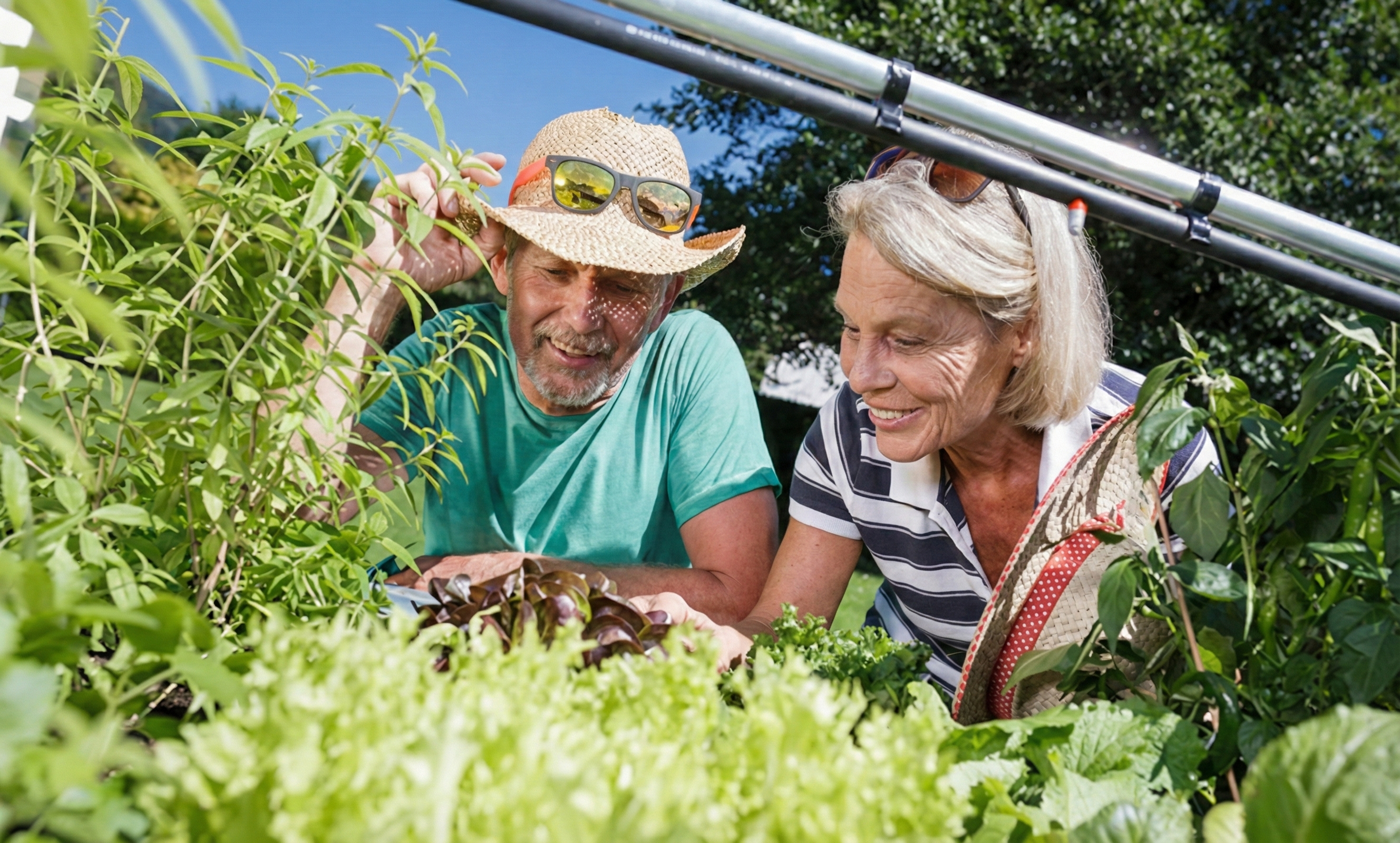
- Gardening and nature: Gardening and spending time in nature can be both relaxing and rewarding. In your garden, you create something new and can literally harvest the fruits of your success. Physical activity in the fresh air is good for body and mind.
- Volunteer activities: Many organizations and non-profit associations rely on the help of volunteers. Volunteer activities can be enriching and at the same time serve the community. Whether it's political or social engagement - through volunteering, you continue to feel needed and contribute to society.
- Re-energize hobbies: With work and family life, many people find their number of hobbies dwindling. Retirement offers the opportunity to take up old hobbies again or discover new interests. Whether it's art, creative design, music, gardening, photography, or crafts - enjoy reactivating old interests and developing new ones.
- Further education & courses: Use your free time for further education. Now you can learn everything and dedicate yourself to topics that are no longer chosen based on economic aspects. Learn a new foreign language in an online or in-person course or attend university lectures as a free auditor. Keep your mind alert with new impulses!
- Sports and physical activity: Regular physical activity is important for health. This can include walks and hikes, cycling, swimming, yoga, golf, dancing, or membership in a sports group.
- Travel: Retirement can be a great opportunity to explore the world, visit new places, and get to know different cultures. Traveling without time pressure is a completely new experience that you should not miss out on.
-
Family and friends: Spending more time with family and friends can be very fulfilling. For example, establish regular coffee meetings or outings with friends. In retirement, you can also build even closer bonds with children and grandchildren by supporting them in their daily lives.

Tip 5: Popular pastimes in retirement: What do others do?
If you look at surveys among retirees, some particularly popular activities in retirement stand out:
- Gardening: One of the most popular hobbies in retirement is gardening. This is not surprising, as this activity combines many positive effects for your well-being: you exercise in the fresh air and actively experience the seasons. When gardening, you create beautiful things, design your home, and can harvest and enjoy the fruits of your labor.
- Reading: A good book transports us to new worlds and provides wonderful entertainment. Reading a daily newspaper or specialist magazines also keeps you up to date and brings new knowledge.
- Hiking & Walking: Activities in nature challenge both body and mind. That's why regular walks are part of many retirees' new daily routine. You can fully enjoy hikes with your partner, family, or friends.
- Traveling: Unbound by vacation plans or traditional travel seasons, retirees conquer the world. Whether short trips or long journeys – gathering new impressions and experiencing the world in all its facets brings joy and keeps you active.
- Sports: Staying active is key to health and mental balance. That's why sports are a popular hobby for men and women in retirement. Enjoy the new freedom to indulge in your favorite sport whenever the weather conditions are ideal and recreational facilities are not overcrowded.
Conclusion
Leaving professional life and starting retirement is a completely new phase of life that can be quite demanding. Those who actively address the challenges of change, analyze their fears and needs, and actively make plans can cushion a potential "retirement shock" well. Meaningful activities and fulfilling hobbies create the optimal basis for a fulfilling life in retirement. You have worked hard and deserve to enjoy your retirement to the fullest!