

How much water does a raised bed need? What should be considered when watering a raised bed? And what do I do with the raised bed if I can't be at home for a few days? We explain what is important for optimal raised bed irrigation and what you should avoid.
Our raised bed – always perfectly irrigated
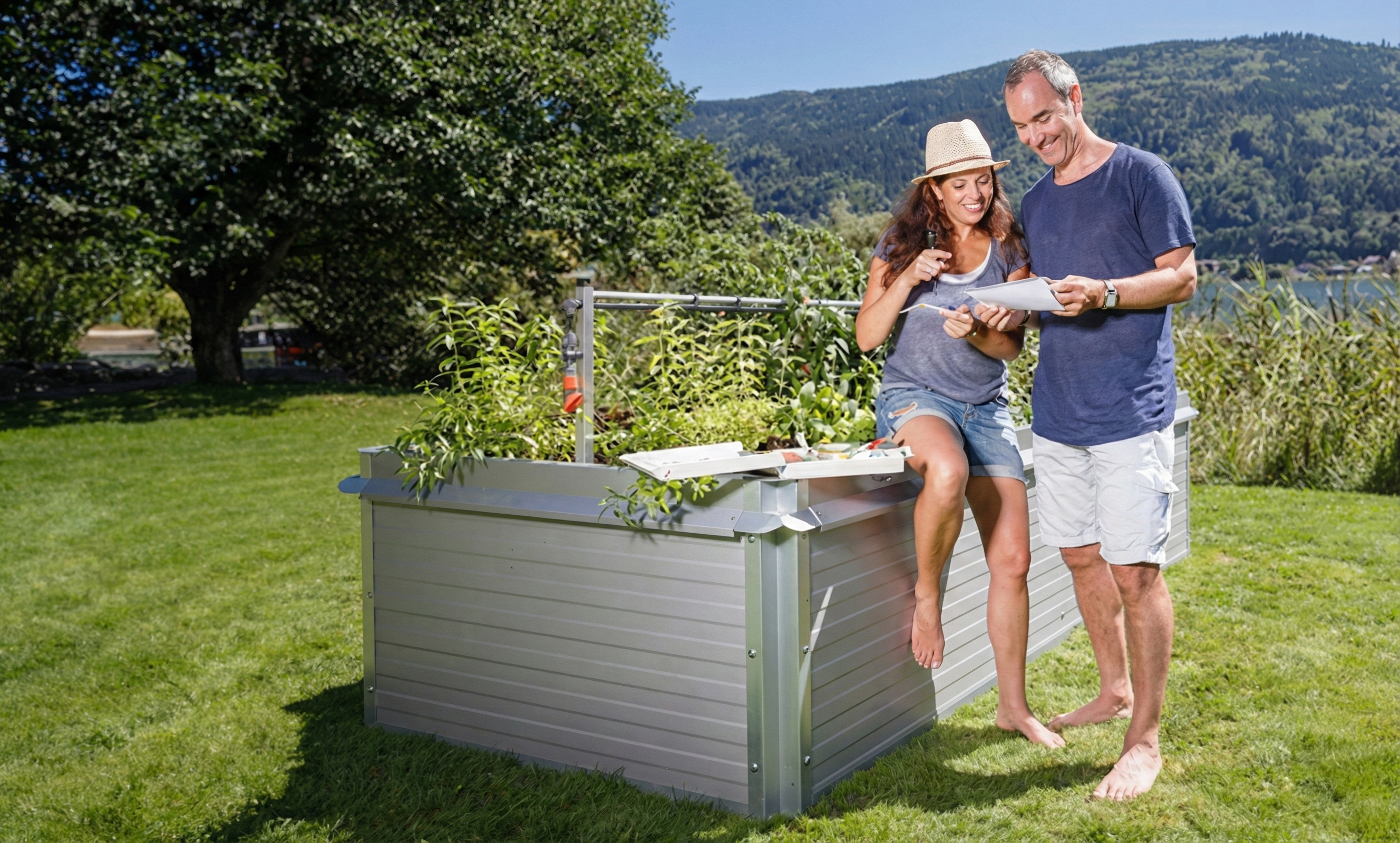
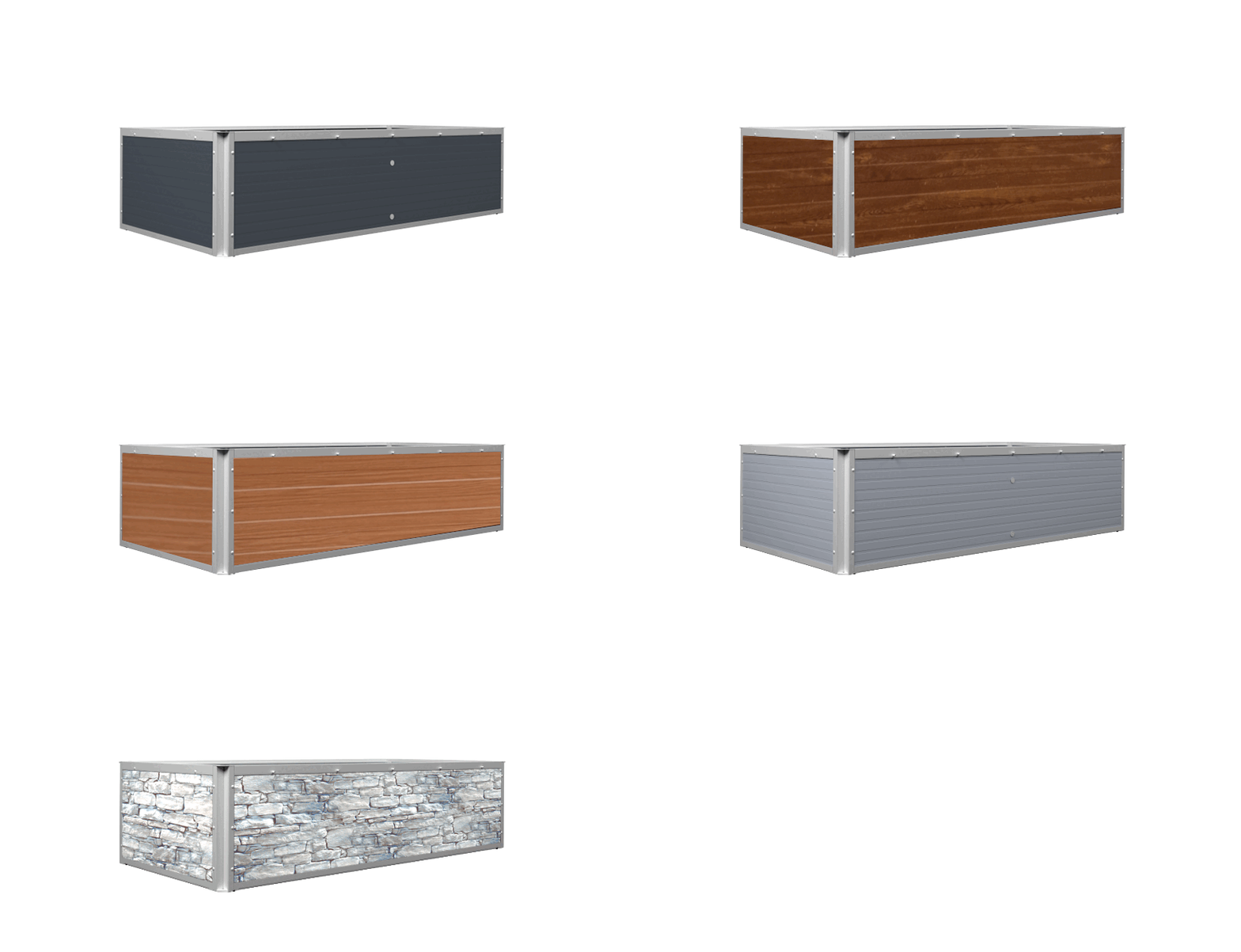
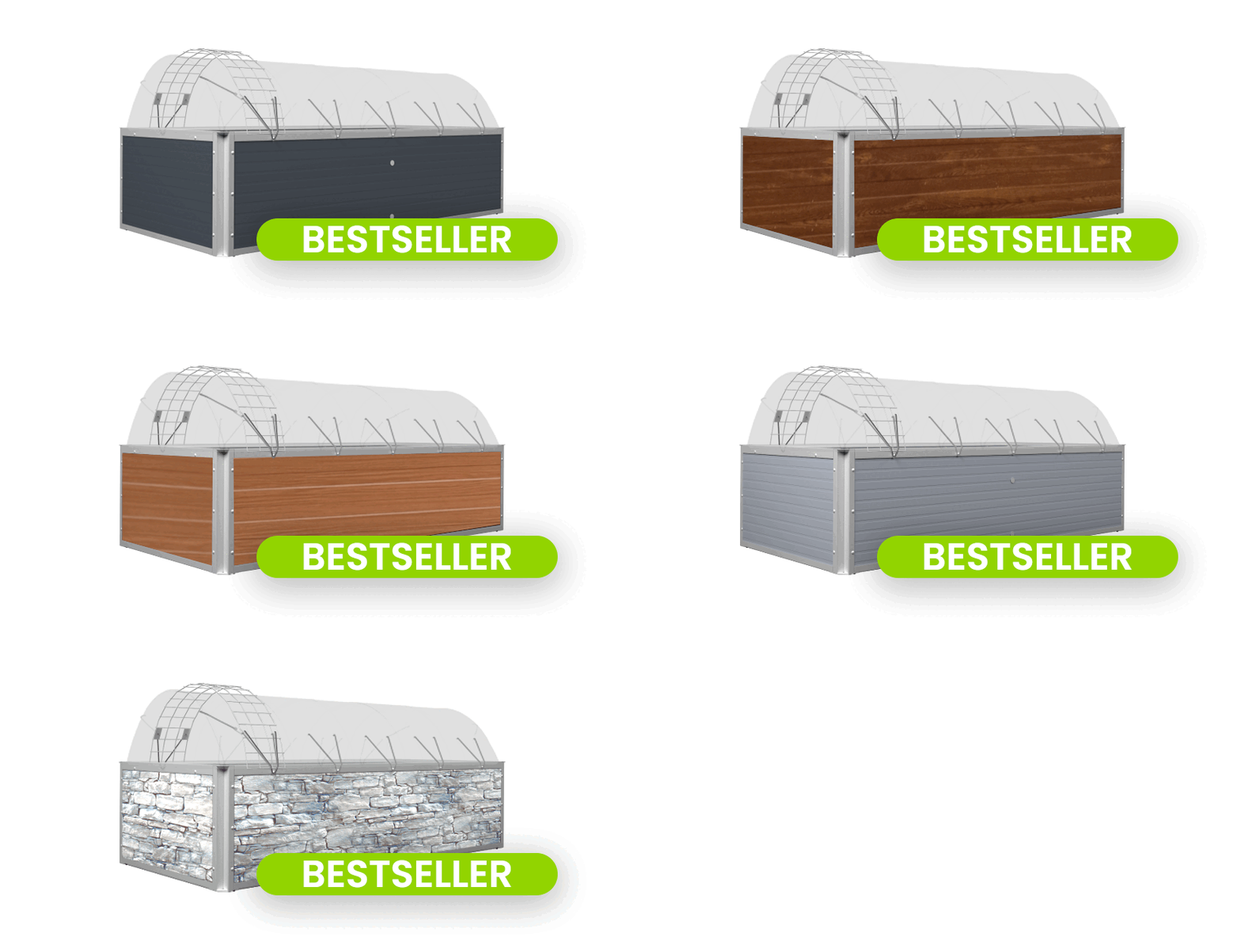
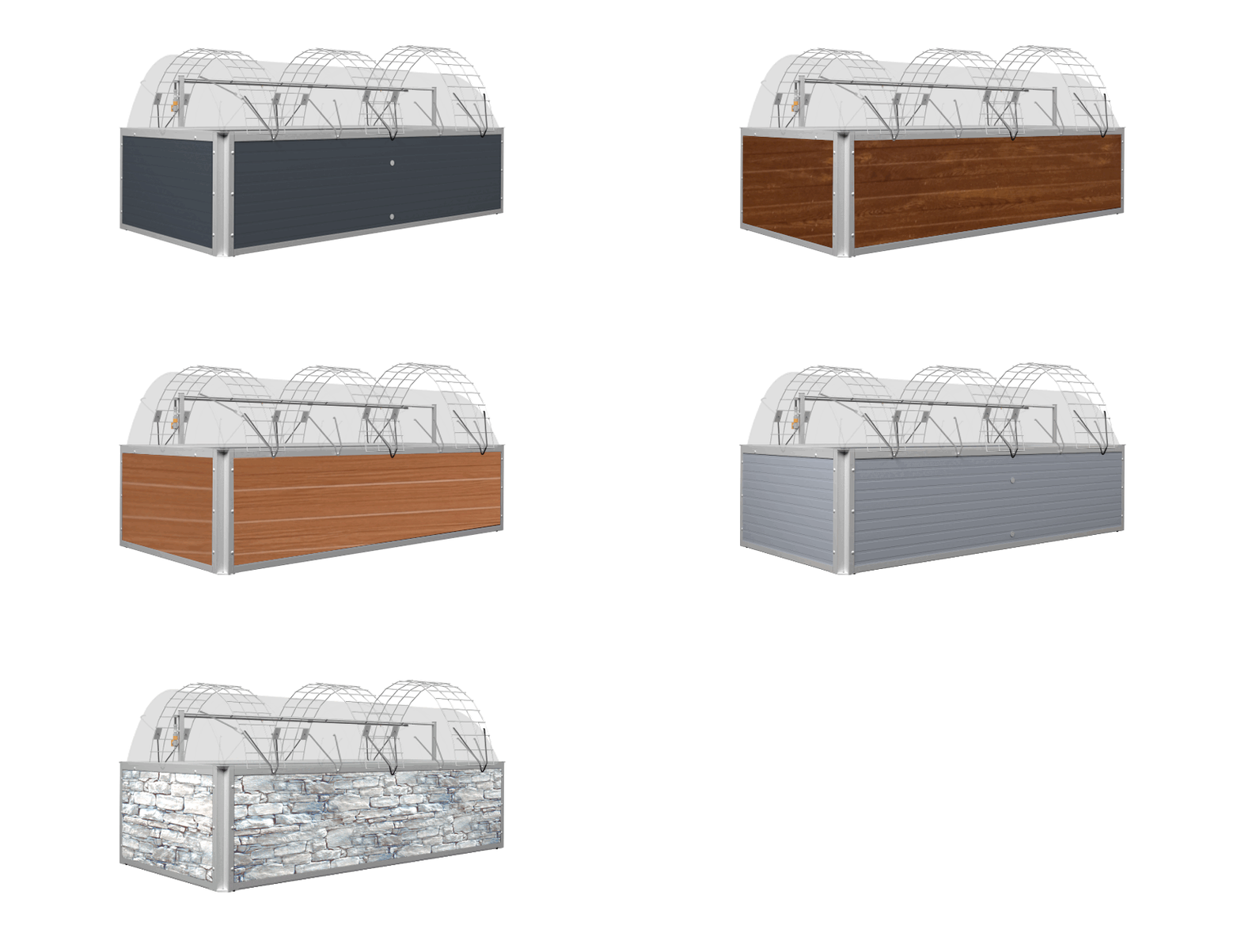
At this point we would like to introduce our raised bed. With our drip irrigation or our spray irrigation, your raised bed is always perfectly and effortlessly irrigated. Choose the optimal dimensions for your needs and the right design for your garden! If you don't find what you're looking for among our raised bed sets, you can configure your very own raised bed in just a few steps.
Watering a raised bed correctly
Water is just as vital for plants as sufficient light. However, too much of a good thing can also have a negative impact on the development of plants in the raised bed. But if you heed the following points, you'll be on the safe side and will enjoy the fruits of your labor!
Moderate water pressure
Water early in the morning
What applies to ground-level beds also applies to raised beds: The best time for watering is early in the morning. This is because the earth is not yet warmed up by the sun in the morning. When watering in the evening, there is a risk that your plants will start to rot because the water can no longer evaporate as well through the leaves.
Avoid waterlogging
Excessive watering can lead to waterlogging in the lower part of the raised bed, which increases the risk of roots rotting and, in the worst case, plants dying.
How much water does a raised bed need?
The water requirements of a raised bed differ from those of a classic bed. As a rule, a raised bed should be watered once a day in summer. The reason for the higher water requirement is explained by the higher temperatures inside the raised bed. The fact that the soil inside the raised bed is warmer than the soil of a ground-level bed has 2 reasons:
1. Natural rotting processes
Due to composting and decomposition processes in the nutrient layer, the temperature inside a properly filled raised bed is consistently up to 5°C higher than in ground-level garden beds. As a result, the water supplied in the raised bed evaporates comparatively faster.
2.Increased sun exposure
Due to its elevated position, the sun's rays can heat the raised bed all around – the side walls are also exposed to the sun's heat. This further increases the soil temperature and leads to faster evaporation of liquid.
Spray irrigation for raised beds
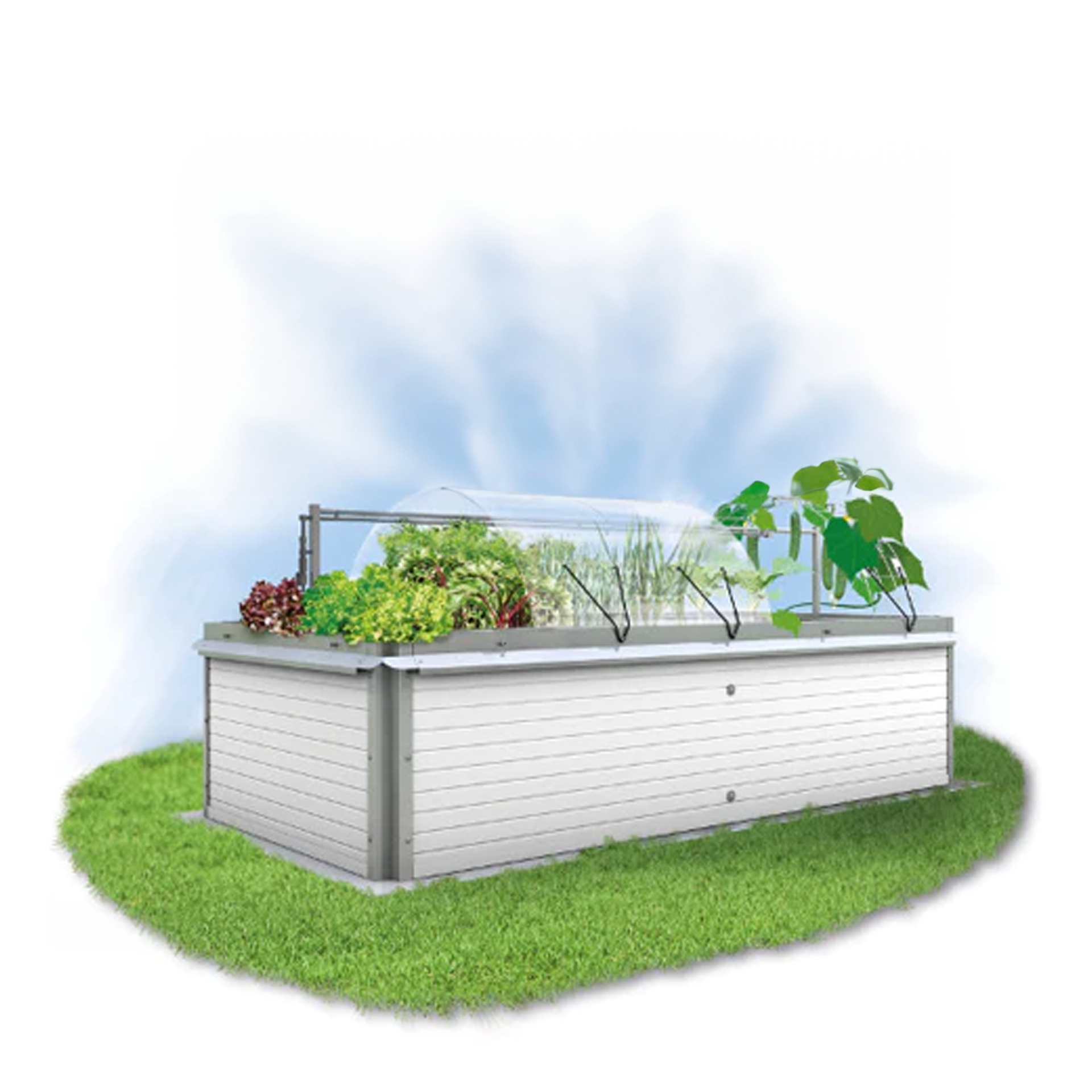
With a spray irrigation system, the raised bed is watered from above. For this purpose, an irrigation device in the form of a frame is installed above the raised bed. You only need to connect the garden hose.
The amount of water and the pressure with which the water rains onto the raised bed can be easily regulated manually using valves. Spray irrigation systems can remain installed almost all year round: only during the strongest frost should you dismantle the spray irrigation.
You don't need to carry heavy watering cans through the garden and can easily water your raised bed at any time by opening the tap. In combination with a timer, this irrigation system makes watering much easier.
Drip irrigation for raised beds
With drip irrigation, plants only get what they really need! Each clay cone is both a sensor and a drip point: the suction force of the soil is transferred to a membrane, which opens or closes the clay cone's passage, thus enabling or stopping the water flow.
Through slow, dosed dripping, the plants only receive naturally pre-warmed water. The individual clay cones are distributed over the
raised bed so that different water requirements in different parts of the raised bed are no problem. This ensures that different plants are always supplied with water as needed.
The drip irrigation method is particularly practical if you have to leave your raised bed alone for a few days. The optimally dosed supply of water to the raised bed is easily possible with this irrigation system, even over several days. Perfect for vacation time!
How drip irrigation works
If the soil dries out, the irrigation process is triggered by suction. When the soil is sufficiently moist, the surface irrigation automatically stops releasing water. Each individual drip blumat reacts completely independently. It takes into account sun exposure, air temperature, humidity, and plant growth.